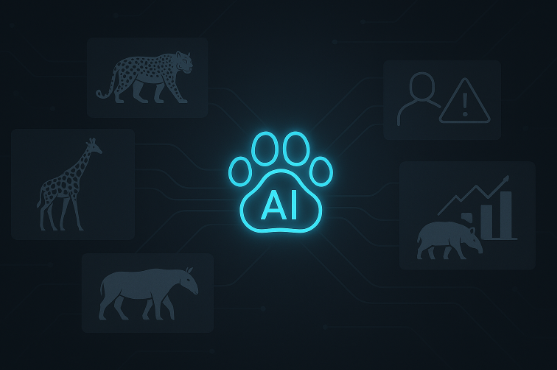
How World Wildlife Fund Uses AI to Track Endangered Species and Combat Poaching

By: GoBeyond Team
July 27, 2025
3 min read
WWF AI wildlife tracking dashboard

Quick Overview

WWF applies AI-driven computer vision and predictive analytics to analyze GPS and satellite data, tracking endangered species and identifying poaching hotspots for targeted intervention.

World Wildlife Fund (WWF)
Company Size
~6,000 employees
Revenue Range
$400M+ annual revenue
Primary Challenge
Protecting endangered species through data-driven conservation
Key Metrics

- More effective resource deployment
- Improved protection of endangered species

The Problem

Traditional monitoring was limited in scale and timeliness

The Solution

Integrated AI to process satellite and GPS data for real-time wildlife tracking and poaching detection

Results

- Enhanced conservation efforts
- Reduced poaching incidents
- Improved species survival rates

Details

Industry
Nonprofit & NGO
Departments
Operations & Workflow Automation
Data & Analytics
Use Cases
Workflow Automation
Predictive Modeling
Tags
Computer Vision
Predictive Modeling
Enhanced Decision-Making
Real-Time Processing
AI Tools Used
No items found.
Sources
https://aiearn.io/case-study-ai-in-nonprofit-organizations/

More Case Studies

See All
How Salesforce Uses Process Street to Standardize and Automate Global Client Onboarding
Technology & SaaS
How Nike and AKQA Used AI and Machine Learning to Simulate a Virtual Tennis Match Between Serena Williams’ Past and Present Selves
Retail & E-commerce
How DesignCo Enhanced Creativity and Scalability with AI-Powered Design Tools
Marketing & Advertising
How Time Doctor Increased Remote Employee Satisfaction by 40% with AI Communication Tools
Technology & SaaS
How Wells Fargo Improved Banker Productivity with an AI Virtual Assistant Integrated into Microsoft Teams
Finance & Banking
How Energie Steiermark Increased Automation and Compliance with Hypatos AI Invoice Processing
Manufacturing

🤖 Chat with AI

Type...