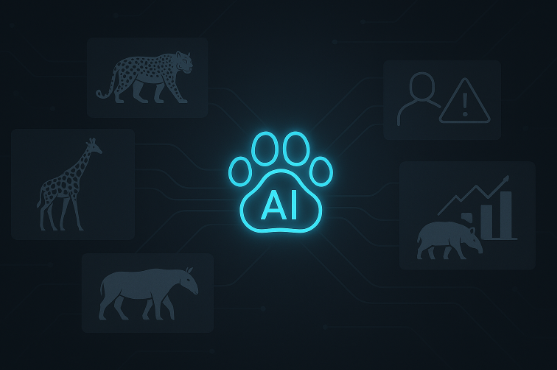
How World Wildlife Fund Uses AI to Track Endangered Species and Combat Poaching

By: GoBeyond Team
July 27, 2025
3 min read
WWF AI wildlife tracking dashboard

Quick Overview

WWF applies AI-driven computer vision and predictive analytics to analyze GPS and satellite data, tracking endangered species and identifying poaching hotspots for targeted intervention.

World Wildlife Fund (WWF)
Company Size
~6,000 employees
Revenue Range
$400M+ annual revenue
Primary Challenge
Protecting endangered species through data-driven conservation
Key Metrics

- More effective resource deployment
- Improved protection of endangered species

The Problem

Traditional monitoring was limited in scale and timeliness

The Solution

Integrated AI to process satellite and GPS data for real-time wildlife tracking and poaching detection

Results

- Enhanced conservation efforts
- Reduced poaching incidents
- Improved species survival rates

Details

Industry
Nonprofit & NGO
Departments
Operations & Workflow Automation
Data & Analytics
Use Cases
Workflow Automation
Predictive Modeling
Tags
Computer Vision
Predictive Modeling
Enhanced Decision-Making
Real-Time Processing
AI Tools Used
No items found.
Sources
https://aiearn.io/case-study-ai-in-nonprofit-organizations/

More Case Studies

See All
How Botkeeper Uses AI to Automate Bookkeeping and Empower Accounting Firms to Scale
Technology & SaaS
How Automata Leads Boosted SaaS and B2B Sales with AI-Powered Lead Qualification and Nurturing
Technology & SaaS
How Clifford Chance Uses iManage RAVN AI to Automate Document Management and Improve Case Preparation
Legal
How Switchboard Centralized and Automated Employee Onboarding to Save 10 Hours Per New Hire
Technology & SaaS
How Roche Leverages AI and Machine Learning to Revolutionize Drug Discovery and Development
Manufacturing
How Ivy Tech Community College Uses AI Predictive Analytics to Identify At-Risk Students Early
Education & EdTech

🤖 Chat with AI

Type...