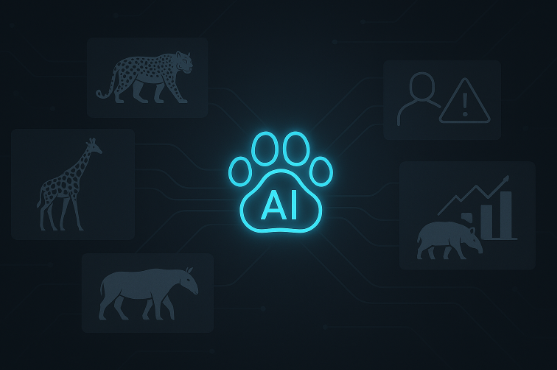
How World Wildlife Fund Uses AI to Track Endangered Species and Combat Poaching

By: GoBeyond Team
July 27, 2025
3 min read
WWF AI wildlife tracking dashboard

Quick Overview

WWF applies AI-driven computer vision and predictive analytics to analyze GPS and satellite data, tracking endangered species and identifying poaching hotspots for targeted intervention.

World Wildlife Fund (WWF)
Company Size
~6,000 employees
Revenue Range
$400M+ annual revenue
Primary Challenge
Protecting endangered species through data-driven conservation
Key Metrics

- More effective resource deployment
- Improved protection of endangered species

The Problem

Traditional monitoring was limited in scale and timeliness

The Solution

Integrated AI to process satellite and GPS data for real-time wildlife tracking and poaching detection

Results

- Enhanced conservation efforts
- Reduced poaching incidents
- Improved species survival rates

Details

Industry
Nonprofit & NGO
Departments
Operations & Workflow Automation
Data & Analytics
Use Cases
Workflow Automation
Predictive Modeling
Tags
Computer Vision
Predictive Modeling
Enhanced Decision-Making
Real-Time Processing
AI Tools Used
No items found.
Sources
https://aiearn.io/case-study-ai-in-nonprofit-organizations/

More Case Studies

See All
How CodiumAI Uses AI to Optimize and Refactor Legacy Codebases
Technology & SaaS
How Gradescope by Turnitin Automates Grading and Speeds Feedback with AI and NLP
Education & EdTech
How Colossyan Enables Scalable AI Video Creation Without Studios or Actors for Training and Communication
Technology & SaaS
How Duolingo Personalizes Language Learning with AI and Smart Bots to Boost Engagement
Education & EdTech
How Gridium Uses Machine Learning and IoT to Optimize Energy Consumption in Commercial Buildings
Real Estate
How Google Uses AI and Machine Learning to Enhance Its OKR System for Dynamic Goal Setting and Performance Tracking
Technology & SaaS

🤖 Chat with AI

Type...